
Shop Fabrication
Client
SSEM-TRUBA ARABIA
Date
Tags
Shop fabrication is a sophisticated discipline that brings together creativity, engineering precision, and streamlined production within a controlled setting. It is the transformative process through which raw materials are turned into functional and aesthetic structures, showcasing the perfect balance between human craftsmanship and technological innovation.
At its heart, shop fabrication is defined by the interplay between artistry and technology. Skilled fabricators, equipped with technical expertise and an eye for precision, interpret detailed blueprints to bring complex designs to life. Their work blends traditional craftsmanship with modern methods, uniting manual skill with advanced machinery to achieve both accuracy and elegance in the final product.
Versatility is a defining feature of shop fabrication. The workshop serves as a creative and technical hub where materials such as metal, wood, and composites are transformed into finished components. Metal fabrication involves cutting, welding, and shaping metal sheets and bars into structural or decorative elements. Woodworking, on the other hand, refines natural timber into polished and functional forms. Meanwhile, composite fabrication reflects ongoing innovation, combining materials to achieve strength, flexibility, and aesthetic appeal.
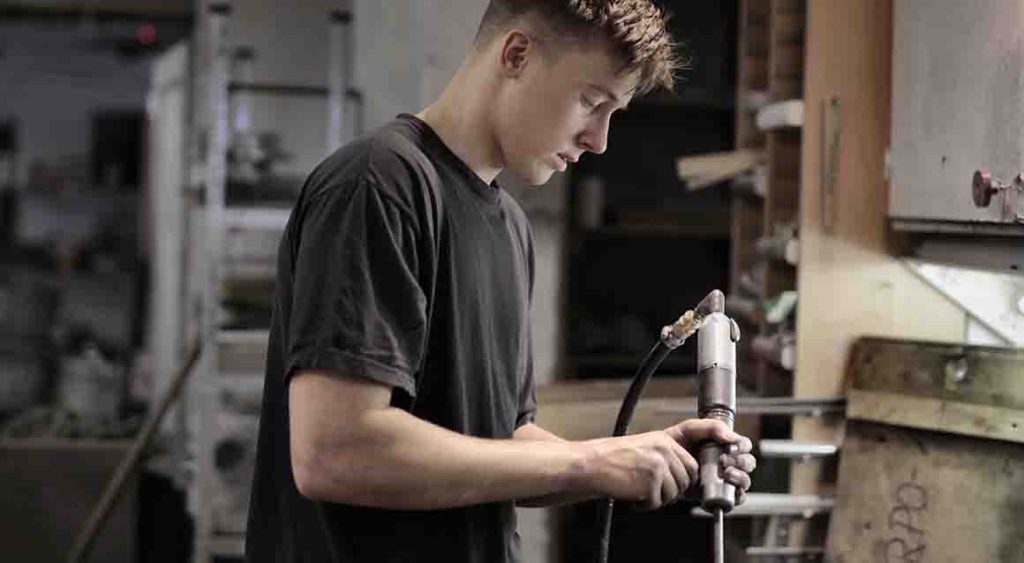
One of the primary advantages of shop fabrication is its controlled environment. Unlike outdoor construction sites affected by weather or external factors, fabrication shops provide stable, climate-controlled conditions that ensure consistency, accuracy, and quality. This environment encourages both meticulous craftsmanship and creative problem-solving, allowing teams to focus on precision and innovation.
Efficiency also lies at the core of this process. A well-organized workflow and careful layout planning help minimize material waste and optimize time. Each stage—from cutting and welding to assembly—is executed with purpose and coordination. Modern tools such as Computer-Aided Design (CAD) software and Computer Numerical Control (CNC) machines further enhance accuracy, enabling the production of intricate and repeatable designs with exceptional precision.
The applications of shop fabrication span countless industries, including construction, architecture, manufacturing, and fine arts. Whether producing structural steel for buildings, precision components for machines, custom furniture, or art installations, fabrication shops serve as the birthplace of innovation and design realization.
In essence, shop fabrication represents the seamless union of tradition and technology—a space where imagination takes physical form. It stands as a testament to human creativity and technical mastery, continually adapting to meet the needs of an evolving world. As industries advance, the art and science of fabrication will remain a cornerstone of progress, shaping the built environment and giving form to the ideas that define our future.