
Cable Pulling
Client
Date
Tags
Projects Ongoing
Cable pulling, though often overlooked, is a vital process that underpins modern electrical and communication systems. It involves the careful installation of electrical and data cables through conduits, trays, or other designated pathways ensuring the uninterrupted flow of power and information across industries, institutions, and homes. This process forms the invisible backbone of connectivity, supporting everything from lighting and power distribution to telecommunications and smart technologies.
At its core, cable pulling is a blend of precision, planning, and teamwork. The process begins with a detailed assessment of the site and a well structured plan that accounts for cable type, specifications, routing paths, and environmental factors. Each of these elements must be carefully evaluated to ensure the cables can be installed efficiently, safely, and without damage.
The selection of cables is one of the most crucial aspects of the operation. Depending on the application, the project may require high voltage power cables, fiber-optic data cables, or hybrid configurations. Factors such as current capacity, data transfer speed, insulation type, and exposure to heat or moisture all influence this decision. Each cable type presents its own challenges, requiring tailored handling and installation techniques.
Routing also plays a key role in cable pulling. Cables must follow carefully designed paths through conduits, trays, ducts, or underground systems. Understanding the architectural layout, identifying obstacles, and adhering to safety and regulatory standards are essential. Industrial facilities may use structured tray systems for large-scale installations, while commercial and residential settings often rely on conduits to protect and conceal wiring.
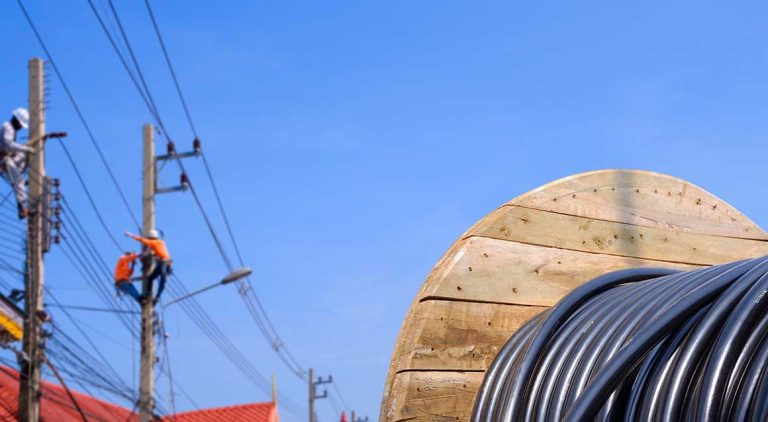
The act of pulling cables demands both strength and precision. Long distances, tight bends, or complex pathways can make the process physically demanding and technically intricate. Maintaining proper tension, observing bend radius limits, and preventing abrasions or kinks are critical to protecting the integrity of the cables. Typically, a coordinated team of technicians works together one guiding, another pulling to ensure the cables glide smoothly through their paths.
Technological advancements have revolutionized modern cable pulling. Tools such as electric winches, tension meters, and specialized lubricants have greatly improved safety and efficiency. Computer aided design (CAD) systems assist in mapping optimal routes and anticipating potential obstacles before work begins, reducing errors and downtime.
The importance of cable pulling extends far beyond installation it is the foundation of connectivity and power reliability. Every successful pull ensures that energy, data, and communication flow seamlessly through networks that sustain modern life. In today’s interconnected world shaped by automation, smart cities, and digital infrastructure precise and efficient cable pulling remains fundamental to progress.
In conclusion, cable pulling is both an art and a science, combining human skill, engineering precision, and technological innovation. While it may go unnoticed once the systems are operational, its impact is felt in every illuminated space, every connected device, and every networked system. As technology continues to advance, cable pulling will remain an essential force driving the reliability, resilience, and efficiency of the world’s electrical and communication infrastructures.