
Operations & Maintenance
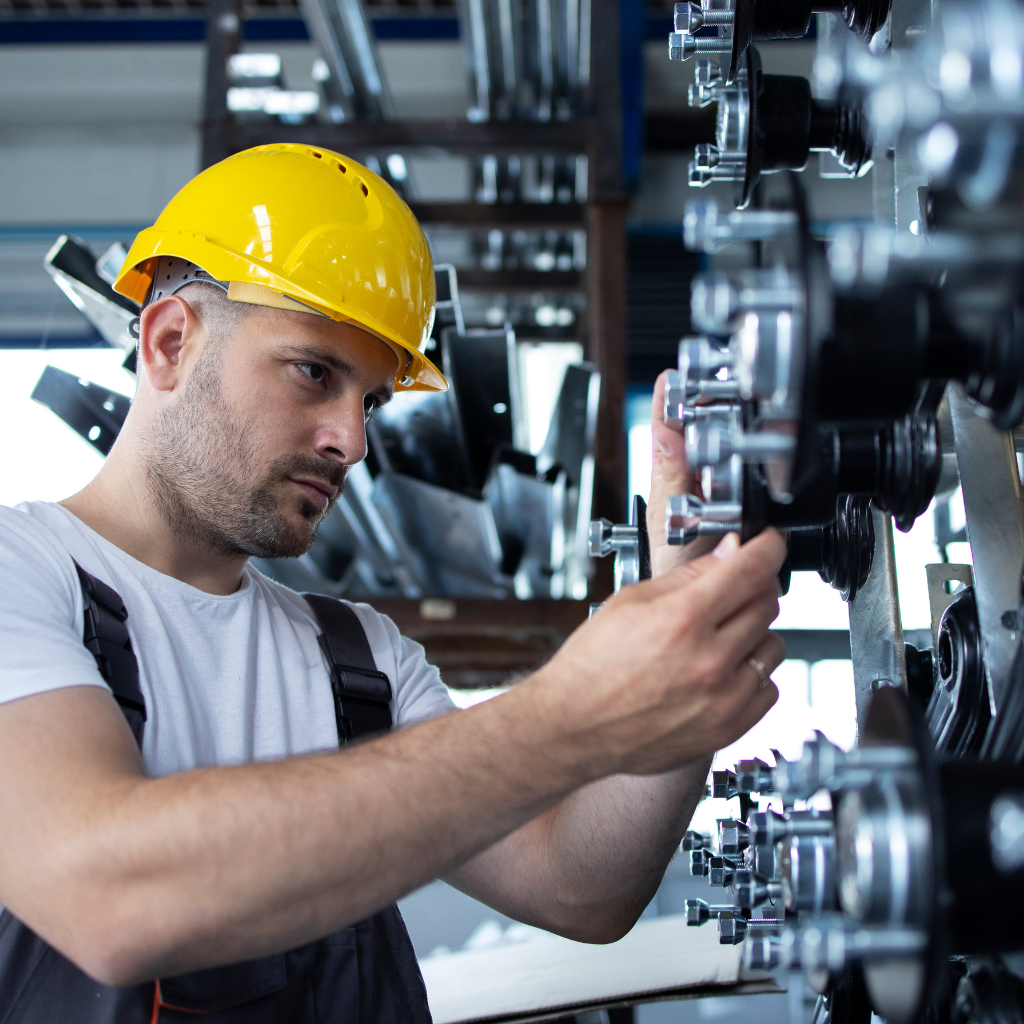
Operations & Maintenance Client PM & C Saudi Arabia Date 22 February 2018 Tags Projects Completed Operations and Maintenance (O&M) stands as a vital pillar in the lifecycle of infrastructure and facilities, representing a strategic and organized approach to maintaining efficiency, longevity, and sustainability within the built environment. From ensuring the smooth operation of machinery to managing intricate systems, O&M serves as the silent driving force behind industries, utilities, and infrastructure. At its core, Operations and Maintenance refers to the comprehensive set of activities aimed at managing, monitoring, and enhancing the performance of physical assets. This discipline spans a wide range of fields—manufacturing, power generation, transportation, and commercial infrastructure, among others. O&M is not a uniform process; it is specifically adapted to suit the unique requirements and complexities of each sector. A central objective of O&M is to ensure that assets operate efficiently and reliably throughout their entire lifecycle. This begins as early as the design and construction stages, where provisions for maintenance accessibility, equipment durability, and operational ease are considered. Once the facility is in use, attention shifts to preventive maintenance, regular inspections, and timely repairs to address potential issues before they become major problems. Preventive maintenance forms the backbone of an effective O&M framework. It involves systematic checks, servicing, and upkeep of equipment to prevent unexpected failures. This proactive approach reduces downtime, extends asset life, and enhances overall performance. Activities such as machinery lubrication, instrument calibration, and component replacement exemplify how preventive maintenance contributes to consistent operational efficiency. Alongside preventive efforts, reactive or corrective maintenance plays a crucial role within O&M. When unforeseen breakdowns occur, prompt and effective response is critical. This stage focuses on troubleshooting, diagnosing faults, and implementing repairs to restore normal operations swiftly. The capacity to adapt and recover from unexpected challenges reflects the resilience and strength of a well-structured O&M strategy. Technology has revolutionized modern Operations and Maintenance (O&M), ushering in a new era defined by predictive maintenance. With the integration of sensors, data analytics, and machine learning, equipment performance and health can now be tracked in real time. Predictive maintenance utilizes this continuous data flow to anticipate potential failures, enabling timely interventions before breakdowns occur. This not only increases system reliability but also ensures efficient use of resources by targeting maintenance efforts where they are most needed. O&M today extends far beyond the mechanical upkeep of assets—it also addresses energy efficiency, environmental responsibility, and compliance with regulations. In facilities management, this can include conducting energy audits, implementing waste reduction measures, and adopting eco-friendly technologies to support sustainability objectives. Ensuring adherence to safety and legal standards remains a critical component of O&M, safeguarding both human welfare and operational integrity. Within the realm of infrastructure, transportation, and utilities, O&M plays a vital role in managing complex systems. Assets such as roads, bridges, power grids, and water treatment facilities require constant monitoring, preventive care, and periodic upgrades to meet evolving technical and environmental demands. This calls for a multidisciplinary effort—combining the expertise of civil, electrical, and environmental engineers, among others—to maintain seamless and dependable operations. In essence, Operations and Maintenance is the silent force that keeps modern civilization functioning smoothly. It is a continuously evolving discipline built on foresight, vigilance, and adaptability. As technology progresses and infrastructure systems grow more sophisticated, O&M will remain indispensable in promoting resilience, optimizing performance, and ensuring sustainability. It stands as the guardian of reliability, the keeper of longevity, and the foundation of operational excellence in an ever-advancing world.
Fire Fighting
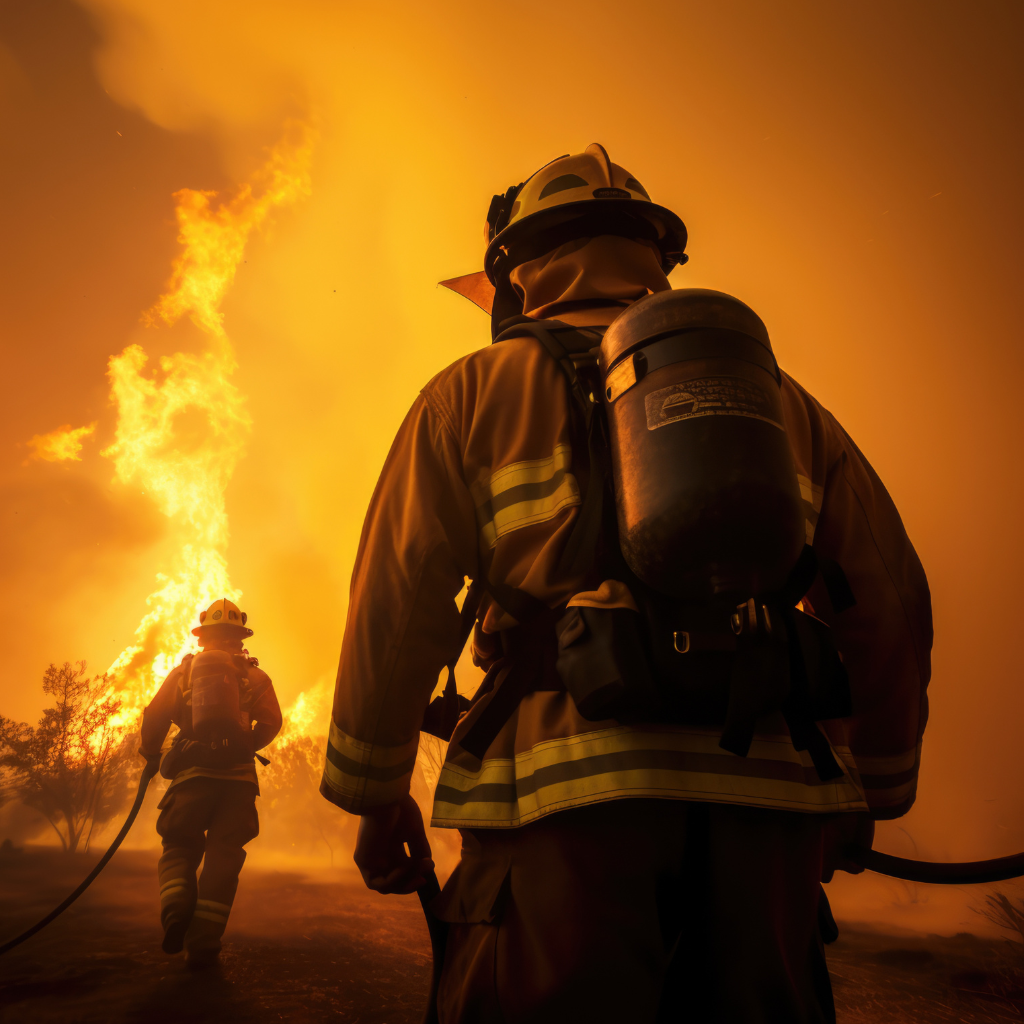
Fire Fighting Client CPP WMO (ARAM CO) Date 22 February 2018 Tags Projects Completed Firefighting, a profession defined by courage and commitment, combines specialized skills, advanced technologies, and strategic methods to confront and control one of nature’s most destructive forces fire. From humble beginnings with bucket brigades to today’s highly organized and technologically advanced systems, firefighting has evolved into a complex discipline dedicated not only to extinguishing flames but also to protecting lives, property, and the environment. At its foundation, firefighting represents humanity’s enduring struggle to master and mitigate the power of fire. Historical records show that early civilizations relied on cooperative efforts citizens forming bucket lines to pass water and combat blazes. With time, innovations such as hand-operated pumps in the 18th century and motorized fire engines in the 20th century transformed firefighting into a faster and more effective endeavor. Today’s firefighters are highly skilled professionals equipped with both technical expertise and physical readiness. Their training extends far beyond handling hoses and water; it includes understanding fire chemistry, building structures, rescue operations, hazardous materials management, and emergency coordination. This comprehensive knowledge enables firefighters to respond effectively to a wide range of crises from urban fires and vehicle accidents to chemical spills and natural disasters. Modern firefighting encompasses two key components: prevention and suppression. Fire prevention focuses on minimizing risks through public education, regular inspections, and enforcement of safety regulations. Awareness initiatives, safety drills, and community programs help reduce the likelihood of fires before they start. Fire suppression, on the other hand, involves the direct combat of active fires using methods and materials such as water, foam, and chemical extinguishers each designed to eliminate one or more of the elements that sustain a fire: heat, fuel, or oxygen. The iconic fire truck equipped with hoses, ladders, and an array of specialized tools stands as the central instrument in firefighting operations. High pressure water jets delivered through precision nozzles remain one of the most effective methods for extinguishing flames. Modern firefighting, however, has been greatly enhanced by technological innovation. Thermal imaging cameras now help firefighters detect hidden hot spots, self contained breathing apparatus (SCBA) allow safe operation in smoke-filled areas, and advanced fire retardants improve fire suppression efficiency and safety. Yet, beyond the technology, firefighting is defined by its deeply rooted values of teamwork, sacrifice, and courage. Firefighters operate in close, coordinated units, where trust and mutual dependence are essential for survival and success. Given the high risk nature of their work, strict adherence to safety procedures, ongoing training, and an unwavering dedication to public service are indispensable. Wildland and environmental firefighting introduce additional layers of complexity, demanding adaptability and endurance. From combating vast forest fires to managing urban infernos, firefighters face unpredictable conditions, shifting winds, and challenging terrains. These large scale emergencies often require joint efforts across local, regional, and even international levels, highlighting the global spirit of collaboration within the firefighting community. In essence, firefighting is more than a profession it is a calling defined by valor, expertise, and humanity. Evolving from centuries of innovation and experience, the field continues to integrate new technologies and strategies to meet the growing challenges of modern society. As the world advances, firefighters will remain the steadfast guardians of life, property, and the environment standing resolute against the ever-present threat of fire.
shop fabrication

Shop Fabrication Client SSEM-TRUBA ARABIA Date 22 February 2018 Tags Projects Completed Shop fabrication is a sophisticated discipline that brings together creativity, engineering precision, and streamlined production within a controlled setting. It is the transformative process through which raw materials are turned into functional and aesthetic structures, showcasing the perfect balance between human craftsmanship and technological innovation. At its heart, shop fabrication is defined by the interplay between artistry and technology. Skilled fabricators, equipped with technical expertise and an eye for precision, interpret detailed blueprints to bring complex designs to life. Their work blends traditional craftsmanship with modern methods, uniting manual skill with advanced machinery to achieve both accuracy and elegance in the final product. Versatility is a defining feature of shop fabrication. The workshop serves as a creative and technical hub where materials such as metal, wood, and composites are transformed into finished components. Metal fabrication involves cutting, welding, and shaping metal sheets and bars into structural or decorative elements. Woodworking, on the other hand, refines natural timber into polished and functional forms. Meanwhile, composite fabrication reflects ongoing innovation, combining materials to achieve strength, flexibility, and aesthetic appeal. One of the primary advantages of shop fabrication is its controlled environment. Unlike outdoor construction sites affected by weather or external factors, fabrication shops provide stable, climate-controlled conditions that ensure consistency, accuracy, and quality. This environment encourages both meticulous craftsmanship and creative problem-solving, allowing teams to focus on precision and innovation. Efficiency also lies at the core of this process. A well-organized workflow and careful layout planning help minimize material waste and optimize time. Each stage—from cutting and welding to assembly—is executed with purpose and coordination. Modern tools such as Computer-Aided Design (CAD) software and Computer Numerical Control (CNC) machines further enhance accuracy, enabling the production of intricate and repeatable designs with exceptional precision. The applications of shop fabrication span countless industries, including construction, architecture, manufacturing, and fine arts. Whether producing structural steel for buildings, precision components for machines, custom furniture, or art installations, fabrication shops serve as the birthplace of innovation and design realization. In essence, shop fabrication represents the seamless union of tradition and technology—a space where imagination takes physical form. It stands as a testament to human creativity and technical mastery, continually adapting to meet the needs of an evolving world. As industries advance, the art and science of fabrication will remain a cornerstone of progress, shaping the built environment and giving form to the ideas that define our future.