
Fire Fighting
Client
Date
Tags
Firefighting, a profession defined by courage and commitment, combines specialized skills, advanced technologies, and strategic methods to confront and control one of nature’s most destructive forces fire. From humble beginnings with bucket brigades to today’s highly organized and technologically advanced systems, firefighting has evolved into a complex discipline dedicated not only to extinguishing flames but also to protecting lives, property, and the environment.
At its foundation, firefighting represents humanity’s enduring struggle to master and mitigate the power of fire. Historical records show that early civilizations relied on cooperative efforts citizens forming bucket lines to pass water and combat blazes. With time, innovations such as hand-operated pumps in the 18th century and motorized fire engines in the 20th century transformed firefighting into a faster and more effective endeavor.
Today’s firefighters are highly skilled professionals equipped with both technical expertise and physical readiness. Their training extends far beyond handling hoses and water; it includes understanding fire chemistry, building structures, rescue operations, hazardous materials management, and emergency coordination. This comprehensive knowledge enables firefighters to respond effectively to a wide range of crises from urban fires and vehicle accidents to chemical spills and natural disasters.
Modern firefighting encompasses two key components: prevention and suppression. Fire prevention focuses on minimizing risks through public education, regular inspections, and enforcement of safety regulations. Awareness initiatives, safety drills, and community programs help reduce the likelihood of fires before they start. Fire suppression, on the other hand, involves the direct combat of active fires using methods and materials such as water, foam, and chemical extinguishers each designed to eliminate one or more of the elements that sustain a fire: heat, fuel, or oxygen.
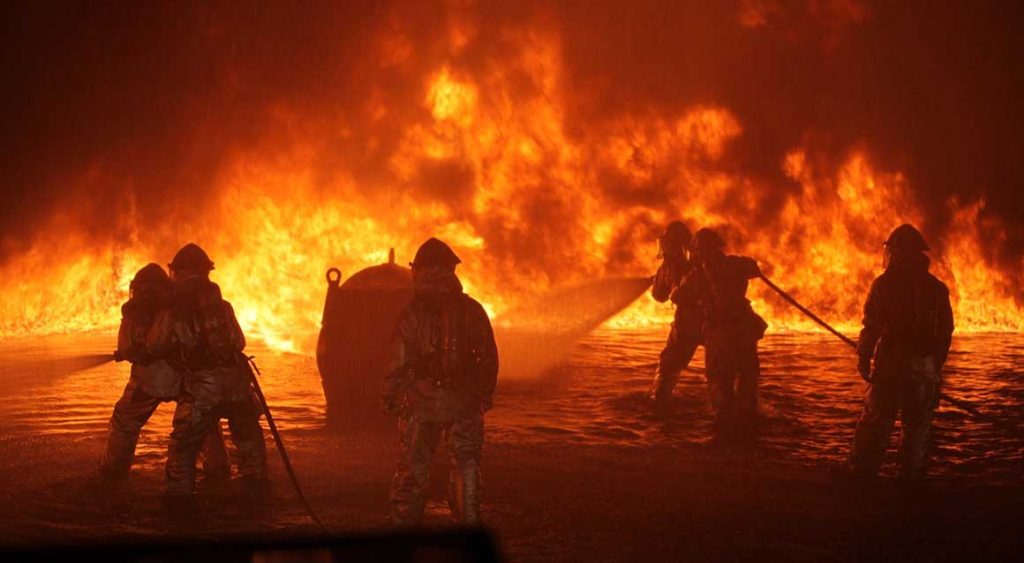
The iconic fire truck equipped with hoses, ladders, and an array of specialized tools stands as the central instrument in firefighting operations. High pressure water jets delivered through precision nozzles remain one of the most effective methods for extinguishing flames. Modern firefighting, however, has been greatly enhanced by technological innovation. Thermal imaging cameras now help firefighters detect hidden hot spots, self contained breathing apparatus (SCBA) allow safe operation in smoke-filled areas, and advanced fire retardants improve fire suppression efficiency and safety.
Yet, beyond the technology, firefighting is defined by its deeply rooted values of teamwork, sacrifice, and courage. Firefighters operate in close, coordinated units, where trust and mutual dependence are essential for survival and success. Given the high risk nature of their work, strict adherence to safety procedures, ongoing training, and an unwavering dedication to public service are indispensable.
Wildland and environmental firefighting introduce additional layers of complexity, demanding adaptability and endurance. From combating vast forest fires to managing urban infernos, firefighters face unpredictable conditions, shifting winds, and challenging terrains. These large scale emergencies often require joint efforts across local, regional, and even international levels, highlighting the global spirit of collaboration within the firefighting community.
In essence, firefighting is more than a profession it is a calling defined by valor, expertise, and humanity. Evolving from centuries of innovation and experience, the field continues to integrate new technologies and strategies to meet the growing challenges of modern society. As the world advances, firefighters will remain the steadfast guardians of life, property, and the environment standing resolute against the ever-present threat of fire.