
Back Filling
Client
SINOPEC
Date
Tags
Other Projects
Backfilling, though often overlooked, is a vital process in construction and civil engineering. It involves refilling excavated areas with soil or other suitable materials to restore the ground to its intended level. This procedure is far more than simply filling empty spaces—it is a carefully planned and engineered task that ensures the stability, safety, and long-term durability of structures and infrastructure.
The process begins after excavation, which creates voids in the ground for foundations, pipelines, or utilities. These excavated sections—whether for building bases, drainage systems, or electrical and water lines—are later reclaimed through backfilling.
A major goal of backfilling is to provide structural integrity and support to the surrounding area. The selection of backfill material plays a crucial role, with factors like compaction ability, drainage performance, and load-bearing strength taken into account. The chosen material must be capable of enduring the expected loads and environmental influences.
Compaction forms the backbone of effective backfilling. During this stage, the soil or chosen material is compacted to achieve the required density and minimize future settling. Using specialized tools such as rollers and compactors, engineers ensure uniform density and remove air gaps within the filled area. Proper compaction prevents ground settlement, safeguarding the stability and longevity of any structure resting on or near the backfilled zone.
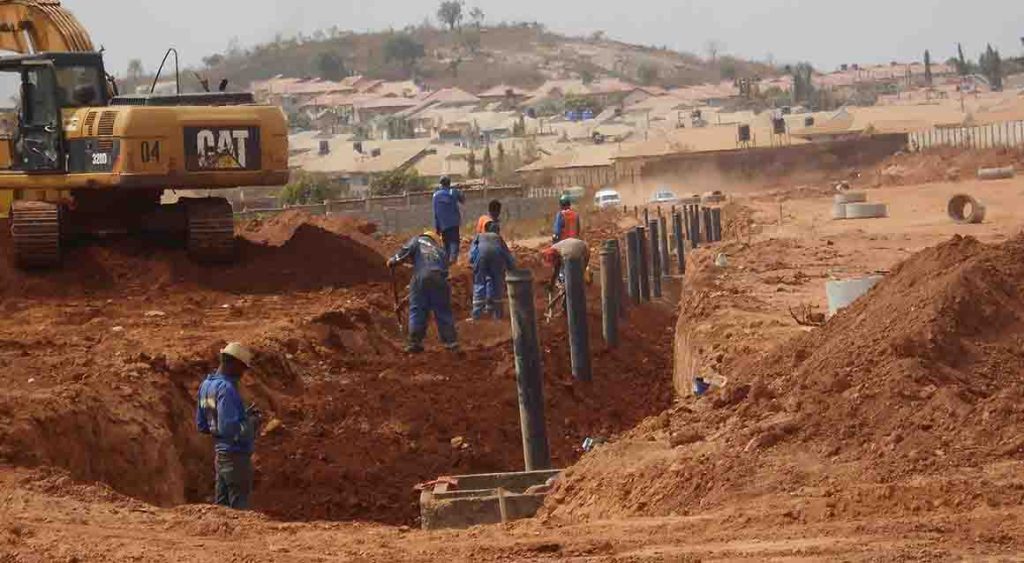
Backfilling serves purposes that go well beyond simply providing structural support—it also addresses crucial aspects like drainage and environmental sustainability. Effective drainage within the backfilled zone is essential to prevent water buildup, which could cause erosion, weaken the soil, and damage nearby structures. Furthermore, environmental standards often influence the choice of backfill materials, especially in regions with sensitive ecosystems or specific soil conditions.
The backfilling process is highly adaptable, shaped by the distinct needs of each project. In foundation work, for instance, backfilling may be done in layers or “lifts,” with each layer compacted systematically to achieve optimum support for the foundation. In contrast, utility trench backfilling emphasizes secure encasement for pipes and conduits while ensuring future accessibility for maintenance and repairs.
The true significance of backfilling lies in its impact on the durability and performance of structures. When properly executed, it strengthens foundations, minimizes the risk of settlement, and enhances the overall integrity of buildings and infrastructure. It is a preventive approach that mitigates potential problems arising from poor or uneven backfilling practices.
In essence, though backfilling may seem like a routine construction task, its influence on project success is profound. From promoting structural stability and proper drainage to meeting environmental standards, backfilling represents both a science and an art. As modern infrastructure continues to advance, this essential process will remain a cornerstone of sustainable and resilient construction worldwide.