
Road Construction
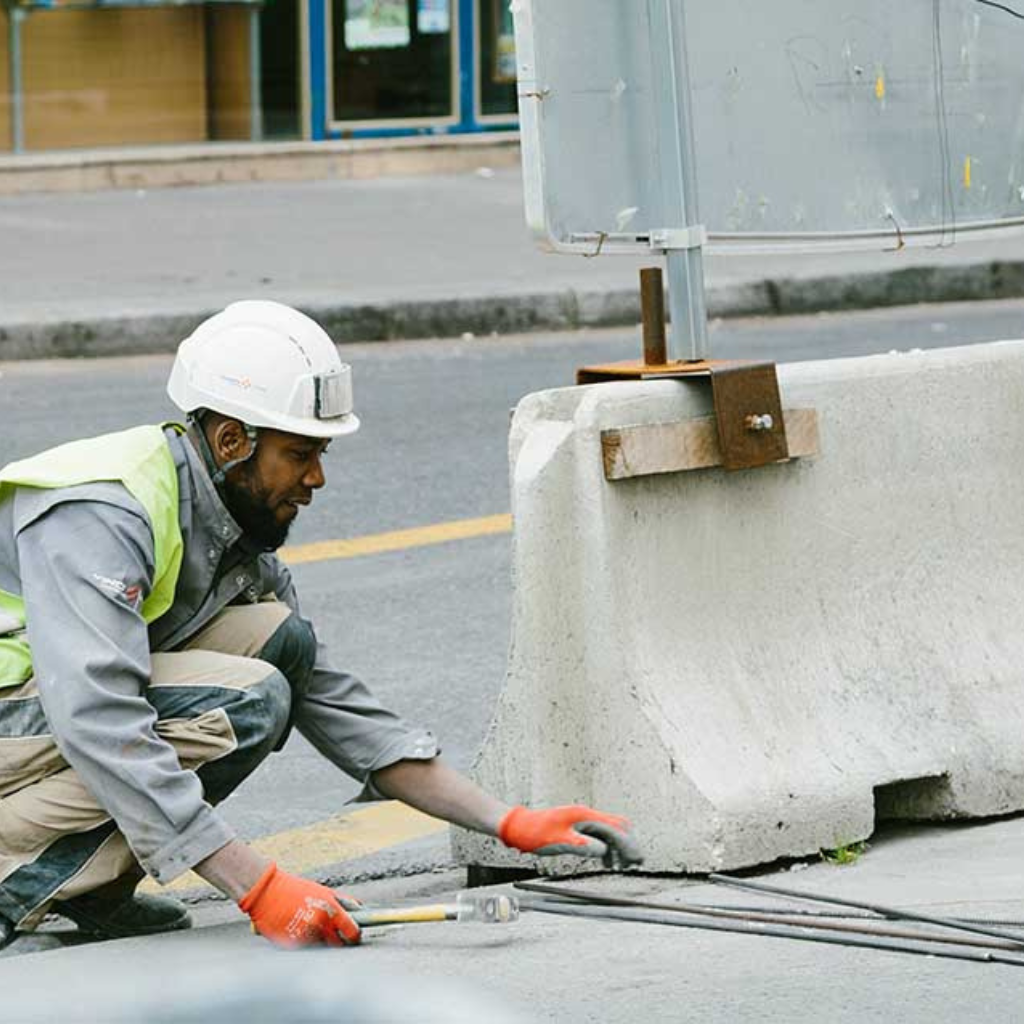
Road Constructions Client SINOPEC Date 22 February 2018 Tags Other Projects Building roads is a dynamic and complex process that serves as the backbone of transportation networks that link communities, promote trade, and stimulate economic growth. Road building, which shapes the landscapes we traverse on a daily basis, is a difficult balancing act between engineering, logistics, and environmental concerns, from the first planning phases to the application of the last layer of asphalt.Thorough planning and surveys are the foundation of road construction. Together, engineers and urban planners examine traffic trends, evaluate the state of the topography, and predict how the route will be used. This planning stage is essential to the project’s effective completion since it establishes the groundwork for the road’s alignment, grade, and design features.The actual process of building a road begins with excavation. The ground is cleared and prepared for the roadbed using earthmoving machinery, such as excavators and bulldozers. Cutting through hills, filling in low-lying areas, and constructing a sturdy foundation that can tolerate the strains caused by natural factors and traffic loads are all part of this phase.After excavation, the natural soil is compacted to create a strong and secure foundation for the road. This process is known as subgrade preparation. In order to increase the subgrade’s load-bearing capability, aggregate materials are frequently added in addition to this. In order to avoid settlement, cracking, and other problems that could jeopardize the road’s structural integrity, proper subgrade preparation is essential. In order to build a strong and long-lasting structure, materials must be carefully layered during the road construction process. To further improve the stability of the roadbed, subbase materials are added and compacted, such as gravel or crushed stone. The final wearing surface is supported by base courses, which are the main load-bearing layer and are usually made of aggregate and concrete or asphalt.The finished product of the construction process is the road’s visible and usable surface, which is made of concrete or asphalt. A number of variables, including traffic volume, climate, and financial constraints, influence the decision between concrete and asphalt. Asphalt is a versatile and reasonably priced material that is frequently chosen due to its simplicity of installation and upkeep. Concrete is used for long-lasting and high-traffic applications because of its resilience to wear and durability.Beyond the actual layers of pavement, there are other complexities involved in road construction. In order to control water flow and stop erosion, drainage features including culverts, stormwater drains, and gutters are incorporated into the design. In order to ensure that road users can move through the infrastructure effectively, road markings, signage, and lighting are essential for safety and navigation.Technology is essential to improving the accuracy and efficiency of road construction in the modern day. Accurate grading and alignment are made possible by sophisticated surveying tools, GPS, and Building Information Modeling (BIM). Intelligent compaction equipment optimizes the compaction process, ensuring the uniform density of materials for a stable roadbed.Modern road construction methods incorporate environmental considerations. To reduce the ecological impact, the construction process incorporates erosion control techniques, recycling of pre-existing pavements, and sustainable materials. Permeable pavements that permit water penetration are an example of a green technology that helps create robust and ecologically friendly road infrastructure.Road construction is important for more reasons than just the physical infrastructure; it is a driving force behind social cohesion, economic expansion, and cross-cultural interaction. Roads facilitate the effective flow of goods and services by creating channels for trade and commerce. By bringing communities together, they promote regional integration and make jobs, healthcare, and education more accessible.To sum up, building a road is an intricate symphony of planning, engineering, and environmental stewardship. It is the thread that connects people, places, and opportunities together to form the fabric of contemporary society. The future of road construction will be defined by creativity, efficiency, and a dedication to creating infrastructure that endures as technology develops and sustainability gains prominence.
Back Filling
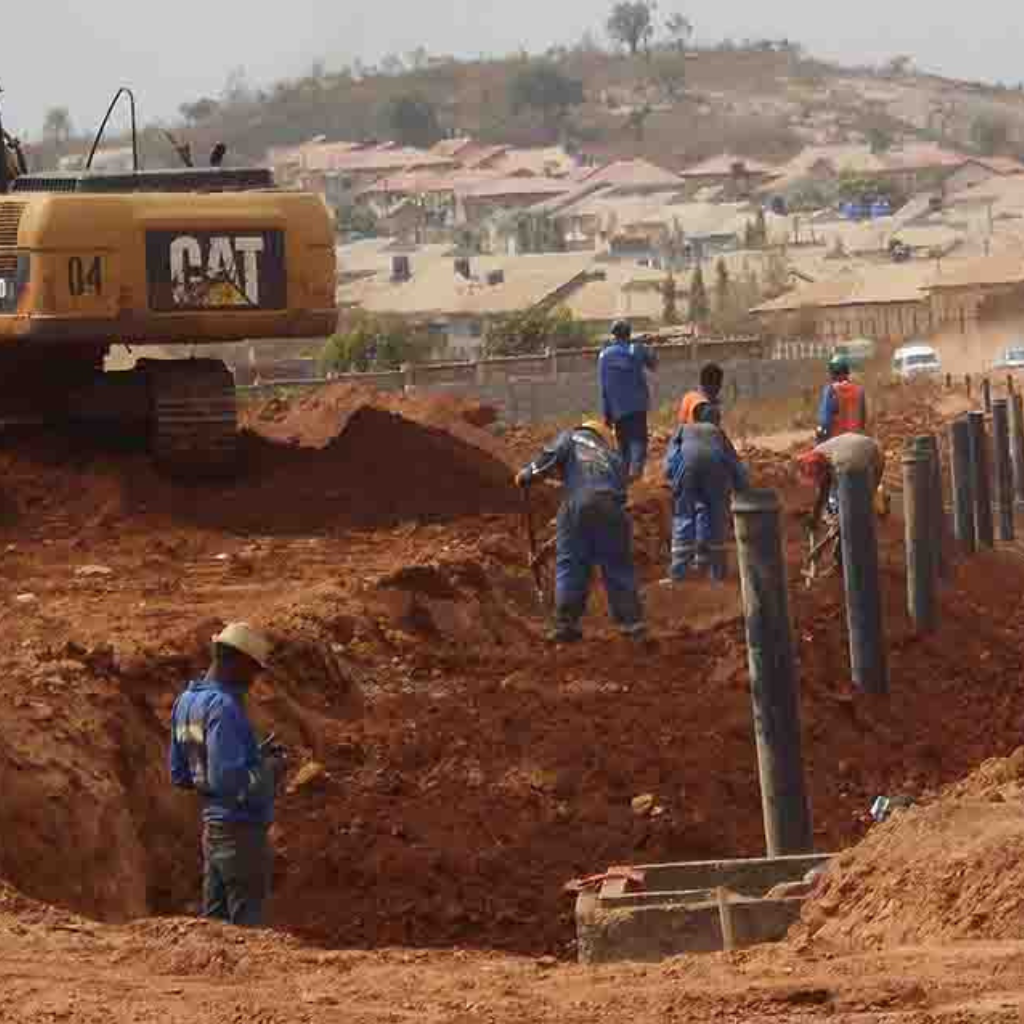
Back Filling Client SINOPEC Date 22 February 2018 Tags Other Projects Backfilling, though often overlooked, is a vital process in construction and civil engineering. It involves refilling excavated areas with soil or other suitable materials to restore the ground to its intended level. This procedure is far more than simply filling empty spaces—it is a carefully planned and engineered task that ensures the stability, safety, and long-term durability of structures and infrastructure. The process begins after excavation, which creates voids in the ground for foundations, pipelines, or utilities. These excavated sections—whether for building bases, drainage systems, or electrical and water lines—are later reclaimed through backfilling. A major goal of backfilling is to provide structural integrity and support to the surrounding area. The selection of backfill material plays a crucial role, with factors like compaction ability, drainage performance, and load-bearing strength taken into account. The chosen material must be capable of enduring the expected loads and environmental influences. Compaction forms the backbone of effective backfilling. During this stage, the soil or chosen material is compacted to achieve the required density and minimize future settling. Using specialized tools such as rollers and compactors, engineers ensure uniform density and remove air gaps within the filled area. Proper compaction prevents ground settlement, safeguarding the stability and longevity of any structure resting on or near the backfilled zone. Backfilling serves purposes that go well beyond simply providing structural support—it also addresses crucial aspects like drainage and environmental sustainability. Effective drainage within the backfilled zone is essential to prevent water buildup, which could cause erosion, weaken the soil, and damage nearby structures. Furthermore, environmental standards often influence the choice of backfill materials, especially in regions with sensitive ecosystems or specific soil conditions. The backfilling process is highly adaptable, shaped by the distinct needs of each project. In foundation work, for instance, backfilling may be done in layers or “lifts,” with each layer compacted systematically to achieve optimum support for the foundation. In contrast, utility trench backfilling emphasizes secure encasement for pipes and conduits while ensuring future accessibility for maintenance and repairs. The true significance of backfilling lies in its impact on the durability and performance of structures. When properly executed, it strengthens foundations, minimizes the risk of settlement, and enhances the overall integrity of buildings and infrastructure. It is a preventive approach that mitigates potential problems arising from poor or uneven backfilling practices. In essence, though backfilling may seem like a routine construction task, its influence on project success is profound. From promoting structural stability and proper drainage to meeting environmental standards, backfilling represents both a science and an art. As modern infrastructure continues to advance, this essential process will remain a cornerstone of sustainable and resilient construction worldwide.
Gantry Installation
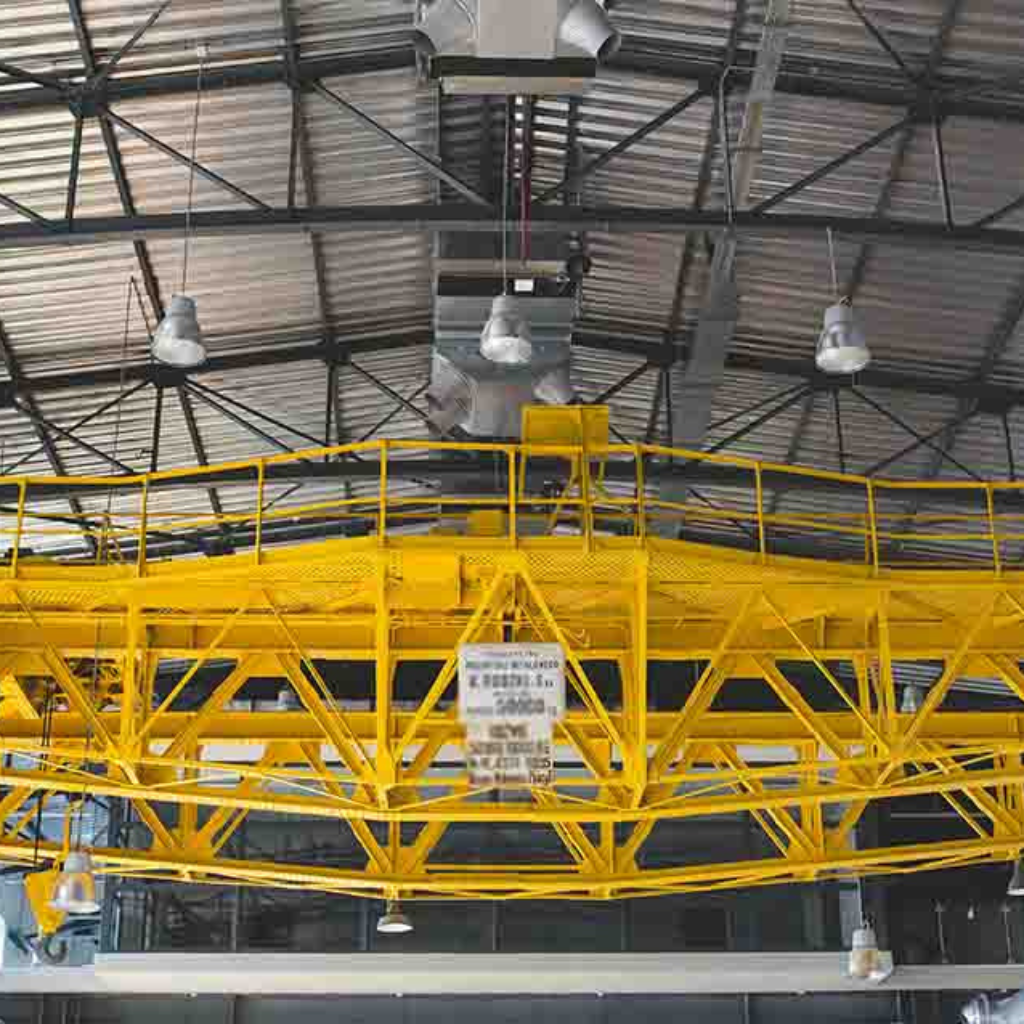
Gantry Installation Client SEPCO III (JUBAIL 03B1WP) Date 22 February 2018 Tags Other Projects Shop fabrication is a dynamic process that unites creativity, engineering precision, and streamlined production within a well-controlled environment. It represents the point where raw materials are transformed into functional structures, reflecting the perfect blend of human craftsmanship and modern industrial innovation. At the heart of shop fabrication lies the collaboration between skilled artisans and advanced technology. Craftsmen, equipped with deep material knowledge and attention to detail, interpret complex blueprints and bring them to life through a mix of traditional skills and modern tools. Their expertise merges the artistry of handwork with the accuracy of sophisticated machinery. Versatility defines the field of shop fabrication. Whether working with metal, wood, or composite materials, each project showcases adaptability and technical mastery. Metal fabrication involves cutting, welding, and shaping metal into durable components, while woodworking turns raw timber into finely crafted structures. The use of composites highlights the continual evolution of fabrication methods and materials. Performing fabrication within a controlled shop environment ensures consistency and superior quality. Unlike on-site construction affected by weather or external conditions, the shop provides stability—allowing for precise work, better coordination, and ongoing innovation. Efficiency is another defining feature. Careful planning, organized workflows, and the integration of tools like Computer-Aided Design (CAD) and CNC machinery minimize waste while enhancing accuracy and productivity. Each stage of cutting, assembling, and finishing contributes to a smooth, optimized process that balances speed with quality. The outcomes of shop fabrication span numerous industries—construction, architecture, manufacturing, and even art. From structural building elements and industrial components to custom furniture and creative installations, fabrication shops are the birthplace of countless engineered and artistic achievements. Ultimately, shop fabrication represents the seamless union of craftsmanship and technology. It is a discipline where innovation and tradition meet, transforming raw materials into enduring works of functional art. As industries advance, the role of shop fabrication will continue to be vital in shaping both modern infrastructure and creative expression.